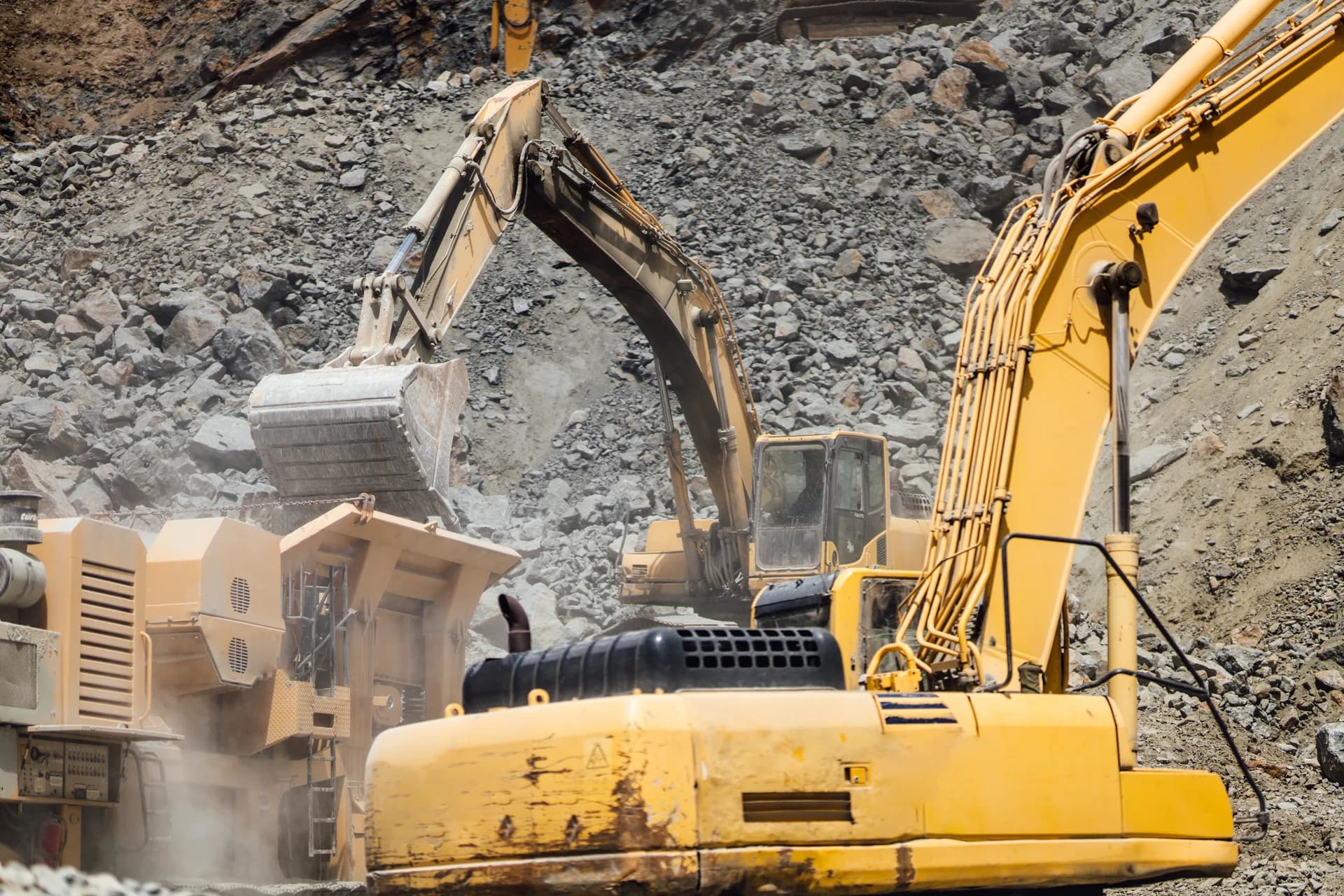
Spring breakup is almost here, and that means construction season in Alberta is about to kick off. Here's how to get your heavy equipment and service trucks ready.
Getting Your Heavy Equipment Ready for Spring Breakup Season in Alberta
Spring breakup in Alberta is a strange time. For a few weeks, the frost comes out of the ground, everything turns into a mud pit, and road bans go into effect that shut down heavy hauling on most secondary highways. For oilfield and construction operators, it's a forced pause that's either extremely frustrating or the perfect opportunity to get your equipment ready for the season ahead.
If you're smart, you use breakup season to do all the maintenance you've been putting off since freeze-up last fall. Because once road bans lift (usually late April to mid-May around here), you want every piece of equipment ready to roll. There's nothing worse than landing a contract and having equipment break down in the first week because you didn't prep it.
Here's what we recommend, based on years of working with oilfield services companies, construction outfits, and municipal fleets around Nisku, Leduc, and the greater Edmonton area.
Service Trucks and Mechanics' Rigs
Your service trucks are the backbone of your operation. If the service truck is down, your mechanics can't get to the job site and everything stops. These trucks work harder than anything else in the fleet — loaded with tools, welders, cranes, and compressors, driving the worst roads to the most remote locations.
Engine and Drivetrain
- Oil change with fresh filters. Switch from winter-weight oil if applicable.
- Fuel system check. Test lift pump pressure, replace fuel filters, drain the water separator. If the truck sat during breakup, check fuel for water contamination — condensation builds up in tanks that aren't kept full.
- Cooling system pressure test. Service trucks run hot because they idle a lot. Check radiator, hoses, clamps, and water pump. Replace coolant that's more than two years old.
- Transmission and differential fluid. Top up or change. Check for leaks around axle seals, common after winter.
- DPF system. If your truck's been idling all winter, the DPF is probably loaded. Run a forced regen or have it cleaned before season starts. A truck that goes into limp mode on the way to a job site is not what you need in May.
Chassis, Body, and Tires
- Crane inspection. Check boom for cracks, hydraulic cylinders for leaks, test controls, verify outrigger pads. Crane failures are dangerous and bring safety violations.
- Welder and compressor. Start up, run under load, verify output. Check welding leads and air hoses for damage.
- Lighting. All work lights, flashers, beacons, and road lighting must be functional. Early-season work happens before sunrise and after sunset.
- Tires. Switch from winter to all-terrain if applicable. Check pressure (spring temperature swings cause 10+ PSI fluctuation), inspect sidewalls for lease road damage, and check the spare.
Excavators and Track Equipment
Excavators, dozers, and tracked equipment are expensive to repair and critical to operations. A few hours of inspection saves days of downtime.
Undercarriage
The most expensive maintenance item on tracked equipment. Check and adjust track tension per manufacturer spec — too loose means throwing track and faster wear, too tight accelerates wear on sprockets and rollers. Inspect track pads for cracks and wear. Examine rollers, idlers, and sprockets for wear, cracks, and oil leaks. A leaking roller ($500-$1,500) left unchecked leads to an entire undercarriage rebuild ($15,000-$40,000).
Hydraulic System
Check fluid level and pull a sample — clean hydraulic oil is amber and transparent. Dark or milky means it needs changing. Change filters at season start regardless of hours. Extend each cylinder fully and inspect chrome rods for scoring (scored rods eat through seals in days, leading to $3,000-$8,000 rebuilds). Check every visible hose for cracks, bulging, or weeping. A blown hydraulic hose means downtime and environmental cleanup.
Engine and Electrical
Oil and filter change with correct grade. Coolant check (nighttime freezing continues into April). Air filter replacement. Fuel system drain and filter change. Belt and fan inspection. Load test the battery. Test all lights and backup alarm. Check fire extinguisher charge. Inspect ROPS and FOPS for cracks or loose bolts.
Loaders, Skid Steers, and Trailers
Loaders and skid steers see constant abuse. Check cutting edges and bucket teeth (worn edges waste fuel), inspect tires for damage and flat spots, check loader arm pivot points for play, and verify the quick coupler latches properly — a falling attachment is a serious safety hazard.
Trailers have been sitting all winter. Inspect brake shoes and drums, check tires for dry rot and proper pressure, test all lighting and electrical connectors (corrosion is extremely common), inspect safety chains and hitches, check deck condition, and verify registration and CVIP stickers are current.
The Breakup Maintenance Schedule
Weeks 1-2 (road bans just started): Inventory all equipment, order parts for known issues, start with service trucks (they need to be ready first so mechanics can service everything else).
Weeks 3-4: Service excavators, loaders, and tracked equipment. Address major repairs. Service trailers and hauling equipment.
Week before road bans lift: Final checks on everything, fuel up all equipment, brief operators on changes or issues, pre-stage near job sites if possible.
Don't Wait Until the Last Minute
Every year, operators scramble in the last week before road bans lift. Parts suppliers get backlogged and everyone pays rush charges. Start your spring prep now while breakup is happening and the pressure is low. Schedule service appointments early, order parts in advance, and give yourself a buffer for unexpected repairs.
Book your spring prep service at Black Sky Diesel now, or call us to set up a fleet maintenance schedule. Let's make sure you're ready to go when the road bans lift.
Tagged
Black Sky Diesel
Black Sky Diesel Team
Industry-leading diesel performance specialists based in Alberta. We share our hands-on expertise in diagnostics, tuning, and builds to help you get the most from your diesel engine.